

Navigating the world of online gambling demands more than just a talent for entertainment https://beepcasino.ca/fr-ca/mentions-legales-et-partenaires/. Behind every legitimate platform stands a robust licensing framework that protects players, guarantees fair play, and maintains the integrity of the industry. For operators and affiliates alike, understanding casino licensing requirements is not a regulatory afterthought; it is the foundation of a sustainable digital gaming business. A valid license indicates that a casino has undergone rigorous scrutiny, satisfies strict operational standards, and remains accountable to a recognized regulatory body. Without this seal of approval, players endanger their funds and personal data, while affiliates open themselves to credibility and legal hazards. This guide unpacks the essential elements of casino licensing, from the application maze to ongoing compliance, and explains why these processes are crucial for everyone involved. If you are exploring partnership opportunities or simply curious about what makes a casino trustworthy, a closer look at licensing reveals the invisible architecture that keeps the reels spinning fairly and the virtual doors open.
Partner Programs: Regulatory Boundaries and Conformity
The relationship between casinos and their affiliate partners is closely linked with licensing obligations. Regulators progressively hold operators responsible for the marketing practices of their affiliates, implying that a casino’s license can be jeopardized by a partner’s non-compliant promotion. This shared responsibility requires clear contractual agreements and active monitoring. Affiliates must maneuver a landscape where advertising standards are strictly regulated, and failure to disclose commercial relationships or making misleading claims can result in serious consequences for both parties. Understanding these legal boundaries is crucial for anyone looking to build a long-term career in iGaming affiliation.
Advertising Standards and Affiliate Conduct
Regulated casinos are subject to strict advertising codes that apply to their affiliate networks. Promotions must not be aimed at minors, distort bonus terms, or imply that gambling can fix financial problems. Affiliates are expected to clearly label their content as advertising and steer clear of making unsubstantiated claims about winning potential. Many jurisdictions forbid the use of “free play” language when wagering requirements are included, demanding transparent communication instead. Regulators regularly scan affiliate websites, and a single non-compliant review or banner can spark an audit of the operator. This means that reputable casinos like Beep Beep Casino will only work with affiliates who follow these standards. The partnership is a two-way street based on compliance. Affiliates who invest time in understanding the advertising regulations of their target https://www.skysports.com/football/video/16461/13187220/liverpool-ceo-billy-hogan-excited-about-the-direction-arne-slot-is-heading markets establish themselves as valuable, low-risk partners, while those who take shortcuts find themselves quickly cut off from legitimate operators.
Agreement Obligations and Revenue Share Transparency
A formal affiliate agreement is more than a commission structure; it is a binding document that defines the responsibilities of each party under the operator’s licensing regime. Such contracts commonly include clauses requiring the affiliate to comply with all applicable laws, maintain brand integrity, and avoid using spam or black-hat SEO techniques. Transparency in revenue sharing is also a hallmark of a well-licensed operation. Affiliates should have access to clear, auditable data that shows how their referred players’ activity translates into commissions. Opaque systems or delayed payments can be a cautionary indicator of an operator that is either struggling financially or not adhering to the fair-dealing principles embedded in its license. Beep Beep Casino’s commitment to clear affiliate terms and reliable reporting reflects the broader licensing ethos of transparency and fairness. By formalizing the partnership in a detailed contract, both the casino and the affiliate protect themselves from misunderstandings and harmonize their interests within a regulated framework that prioritizes long-term cooperation over short-term gains.
The Detailed License Application Journey
Obtaining a casino license is a lengthy process, not a short race. The process can stretch from several months to over a year, based on the jurisdiction and the intricacy of the applicant’s corporate structure. Regulators scrutinize completely as they investigate the people, the technology, and the financial base behind the proposed operation. Each stage is intended to filter out actors who are without the resources or integrity to run a fair gaming business. Comprehending this journey clarifies why licensed casinos are fundamentally different from their unregulated counterparts. The application is more than filling out forms; it is a comprehensive audit of the entire business model.
Drafting the Business Plan and Financials
The first hurdle is a comprehensive business plan that goes far beyond ambitious revenue projections. Regulators expect a in-depth analysis of the target market, a practical marketing strategy, and a clear explanation of how player funds will be protected. The financial section must demonstrate that the operator has adequate capitalization to cover operational costs, pay out winnings, and weather sudden downturns. Audited financial statements, bank references, and proof of source of funds for the initial capital injection are typical requirements. This phase ensures that the casino is built on a stable economic footing, not a speculative whim. For Beep Beep Casino, maintaining strong financial health is a continuous priority that starts at the application stage, reassuring both players and affiliate partners that the platform is built to last. A poorly prepared financial dossier can lead to prompt rejection or significant delays, underscoring the importance with which regulators treat economic viability.
Personal Checks and Key Personnel Vetting
No license is granted without a deep dive into the individuals behind the company. Every director, major shareholder, and key management figure must submit to personal background checks that examine criminal records, financial history, and professional integrity. Regulators are looking for any red flags such as past fraud, ties to organized crime, or previous regulatory sanctions. This vetting process, often referred to as “probity checks,” extends to the ultimate beneficial owners, making it impossible to hide behind complex corporate structures. The goal is to make sure that only fit and proper persons control gambling operations. For affiliates, this is a crucial behind-the-scenes guarantee. When promoting a casino like Beep Beep Casino, the knowledge that its leadership has passed such rigorous scrutiny delivers a layer of confidence that cannot be faked. The process is invasive but necessary to keep the industry free from criminal influence and to protect the public interest.
Technical Inspections and Game Fairness Certification
Apart from the people and the money, the technology itself must be certified. Unbiased testing laboratories, authorized by the regulator, conduct exhaustive audits of the random number generator (RNG) systems that power casino games. These audits verify that game outcomes are truly random and not tampered with in the house’s favor beyond the disclosed house edge. ici The testing also encompasses the platform’s security architecture, ensuring that player data is encrypted and that the system is resilient against cyberattacks. Return-to-player (RTP) percentages are verified and must match what is advertised. This technical certification is not a one-time event; it must be refreshed periodically, and any major software update triggers a new round of testing. For players, this means that every spin of the slot or hand of blackjack at a properly licensed casino is regulated by verified mathematics, not hidden algorithms. It is the scientific backbone of fair play that differentiates legitimate operators from rogue websites.
Safe Gambling: A Regulatory Mandate That Shields Players
Licensing authorities now universally demand that operators embed responsible gambling tools straight into their platforms. This is no act of charity but a compulsory requirement of holding a license. Operators must provide players with the ability to set deposit limits, loss limits, and session time reminders. Self-exclusion mechanisms must be readily available, allowing individuals to block themselves from the platform for a set period. Furthermore, casinos are mandated to train their customer support staff to recognize signs of problem gambling and to intervene appropriately. Links to professional help organizations must be clearly shown. The regulator monitors how effectively these tools are implemented and can sanction operators that fail to uphold their duty of care. For affiliates, promoting a casino that takes responsible gambling seriously is both an ethical choice and a commercial safeguard. It aligns with the growing expectation that all stakeholders in the gambling industry actively contribute to minimizing harm. Beep Beep Casino integrates these features as a fundamental aspect of its licensed operation, recognizing that a safe player is a sustainable customer.
The Foundation of Trust: Why Licensing Is Mandatory
In an industry based on monetary transactions and personal information, trust is the single most valuable currency. A casino license serves as a public declaration that the operator has met predetermined benchmarks for security, fairness, and financial stability. Regulators require that licensees segregate player funds from operational accounts, maintain sufficient capital reserves, and submit to regular audits. This oversight substantially decreases the risk of insolvency or fraudulent activity. For players, the presence of a recognized license means they have a clear path for dispute resolution should something go wrong. Instead of chasing an anonymous entity, they can escalate complaints to a regulatory body with the power to levy fines or revoke the license. Affiliates, too, profit from this ecosystem of accountability. Promoting an unlicensed casino can lead to severed partnerships, legal repercussions, and a damaged reputation that takes years to rebuild. Licensing converts a chaotic digital frontier into a structured marketplace where rules are clear and consequences are enforced, making it utterly necessary for any operator serious about longevity.
Anti-Money Laundering and Customer Verification Protocols
Modern casino licensing is inextricably linked from the global fight against financial crime. Every reputable regulator requires a comprehensive anti-money laundering (AML) framework that requires operators to monitor transactions, report suspicious activity, and verify the identity of their customers. The know-your-customer (KYC) process is the frontline of this defense. Before a player can make a significant withdrawal, they must provide government-issued identification, proof of address, and sometimes source of funds documentation. While this can feel invasive, it is a legal requirement meant to prevent the gambling platform from being used to layer illicit proceeds. For Beep Beep Casino, robust AML and KYC procedures are not optional extras; they are core components of the license that protect the entire ecosystem. Affiliates should understand that casinos with lax identity checks are either unlicensed or in breach of their conditions, posing a direct risk to anyone who sends traffic their way. Effective AML compliance also includes ongoing staff training and the appointment of a dedicated Money Laundering Reporting Officer, ensuring that the fight against illicit finance is embedded in the company culture.
The way Beep Beep Casino Aligns with Global Licensing Standards

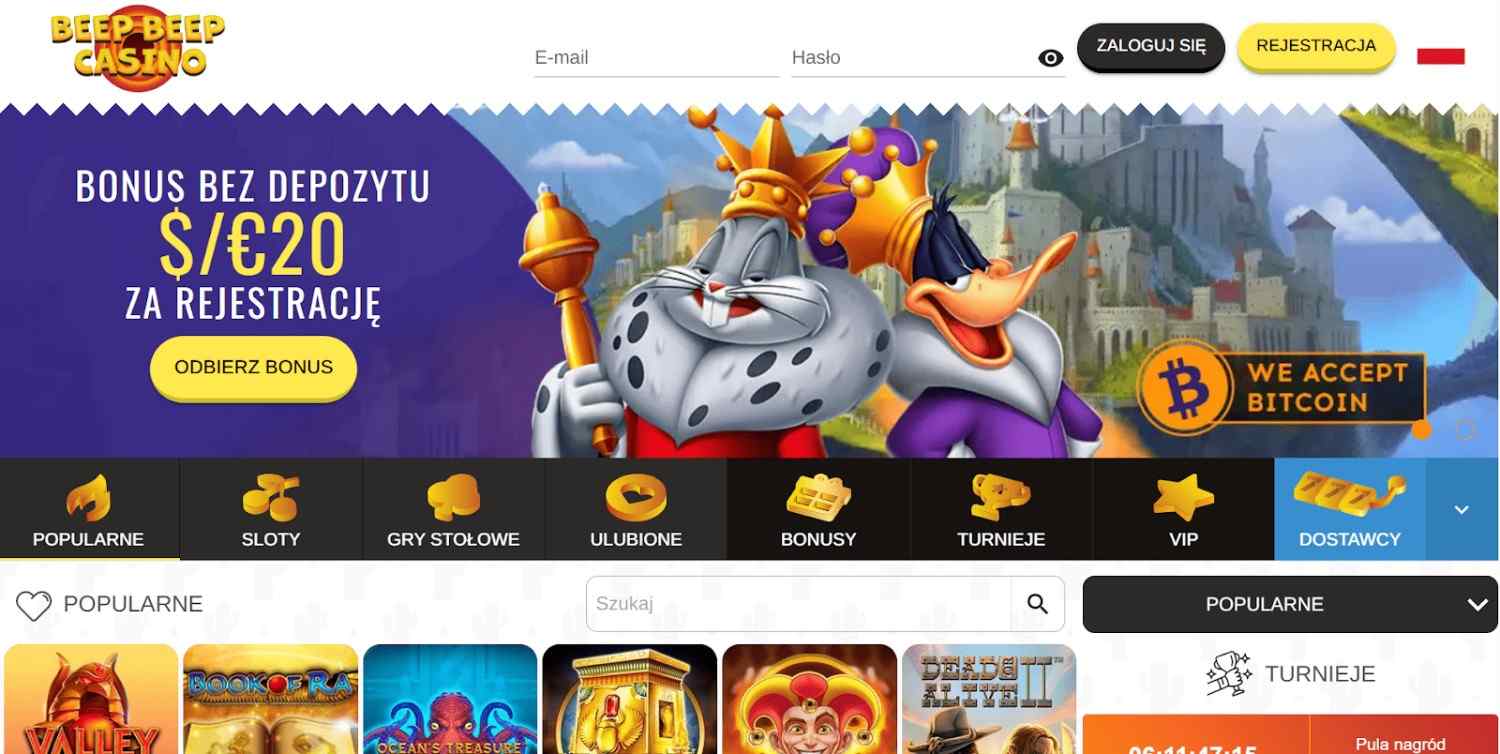
Beep Beep Casino functions with a clear awareness that a license is a commitment, not a award. From the preliminary decision to obtain a recognized jurisdiction to the daily operational rigor required to maintain it, the platform integrates regulatory compliance into every aspect of its business. This commitment appears in transparent terms and conditions, swift and fair dispute resolution, and a preventive approach to player protection. For affiliate partners, this alignment translates into a trustworthy and reputable brand to represent. The casino’s adherence to strict advertising guidelines assures that marketing materials are both persuasive and compliant, minimizing the risk for everyone in the promotional chain. By opting to meet the demands of a credible licensing body, Beep Beep Casino demonstrates that it prioritizes sustainability over shortcuts. In an industry where trust can be undermined by a single scandal, the ongoing investment in licensing compliance is the clearest indicator of a platform built for the long haul. It is a strategic decision that serves players, partners, and the broader integrity of the online gaming world.
Key Regulatory Jurisdictions and Their Standing
Not all licenses hold equal value. The global online gambling landscape is home to jurisdictions that present varying degrees of oversight, cost, and prestige. Operators select their licensing home according to target markets, tax implications, and the credibility they aim to convey. While some regulators are famous for stringent player protection measures, others are appreciated for their business-friendly approach and lower barriers to entry. Understanding the hierarchy of these jurisdictions enables players and affiliates gauge the true reliability of a platform. A casino displaying a license from a top-tier authority has undergone a far more demanding vetting process than one running under a lesser-known banner. The following are some of the most influential regulatory bodies influencing the industry today.
MGA
The Malta Gaming Authority has long been a gold standard for online gambling regulation within the European market. Established on a foundation of robust legal frameworks, the MGA issues licenses that cover multiple gaming verticals, from casino games to sports betting. To obtain an MGA license, an operator must demonstrate a transparent corporate structure, pass comprehensive probity checks on all key personnel, and prove that its technical systems meet strict standards for fairness and security. The authority also mandates strict anti-money laundering protocols and responsible gambling tools. Once licensed, operators face continuous monitoring, including annual compliance audits and financial reporting. The MGA’s Player Support Unit provides a dedicated channel for dispute resolution, giving players a concrete safety net. For affiliates, partnering with MGA-licensed casinos like Beep Beep Casino offers a notable advantage, as the jurisdiction’s reputation quickly elevates the perceived trustworthiness of any promotional campaign. The license is not merely a document; it is a ongoing commitment to operational excellence.
Curacao eGaming License
Curacao has been a mainstay in the online gambling world for many years, known for its accessible and cost-effective licensing process. Unlike the MGA, which provides different classes of licenses for specific activities, Curacao conventionally offers a single master license that covers all forms of interactive gaming. This efficient approach appeals to startups and smaller operators who may find the financial and administrative demands of other jurisdictions excessive. While the barrier to entry is lower, Curacao-licensed casinos are still required to adhere to anti-fraud measures, basic know-your-customer procedures, and server hosting within the jurisdiction. However, the level of ongoing supervision and player protection is generally considered less thorough than that of European regulators. For affiliates, this means due diligence becomes even more essential. A Curacao license can be a legitimate credential, but it should be evaluated alongside other factors such as the operator’s track record, transparency, and commitment to fair play. It remains a feasible and widely recognized option in many international markets.
The UK Gambling Commission
Widely regarded as one of the most stringent regulators globally, the UK Gambling Commission establishes a formidable benchmark for player protection and social responsibility. Its licensing conditions delve deep into every operational facet, from the clarity of marketing materials to the speed of withdrawals. Operators must present detailed policies on anti-money laundering, fair gaming, and the prevention of problem gambling. The Commission actively enforces its rules, with the power to levy substantial fines or suspend licenses for non-compliance. A key feature is its requirement for operators to support research, education, and treatment of gambling-related harm. For players, a UKGC license is a powerful assurance that the casino operates under some of the world’s toughest consumer protection laws. Affiliates targeting the UK market must be mindful of the advertising standards enforced alongside the license, as promoting unlicensed or non-compliant entities can attract severe penalties. The UKGC model has shaped regulatory thinking far beyond its borders.
Gibraltar and Isle of Man
Gibraltar and the Isle of Man are a couple of smaller but very respected licensing jurisdictions that have cultivated reputations for quality over quantity. Both are British territories with well-established legal systems and a history of financial services expertise. Gibraltar’s regulatory framework highlights operator solvency and integrity, requiring licensees to have a significant physical presence on the Rock. The Isle of Man, in the same way, demands that key operations, including servers and management, be located on the island. This physical substance requirement adds a layer of accountability that purely offshore models lack. Both jurisdictions impose thorough probity checks and enforce strict data protection standards. While the cost and complexity of obtaining a license in these territories are higher than in Curacao, the resulting seal of approval is widely regarded by banks, payment processors, and selective players. For an operator like Beep Beep Casino, aligning with such standards demonstrates a clear prioritization of player security and operational transparency, making it a strong partner for affiliates who value long-term credibility.